What Size Dumpster Do I Need? Holland MI Sizing Guide
A practical Holland, Michigan guide to picking between 10, 15, 20, 30 and 40 yard roll-offs, covering real dimensions, tonnage limits and when bigger is wrong.
ReadHolland, MI guide
What really happens to a roll-off load after pickup in Holland, Michigan, plus how to sort concrete, metal, green waste and banned items to cut disposal costs.
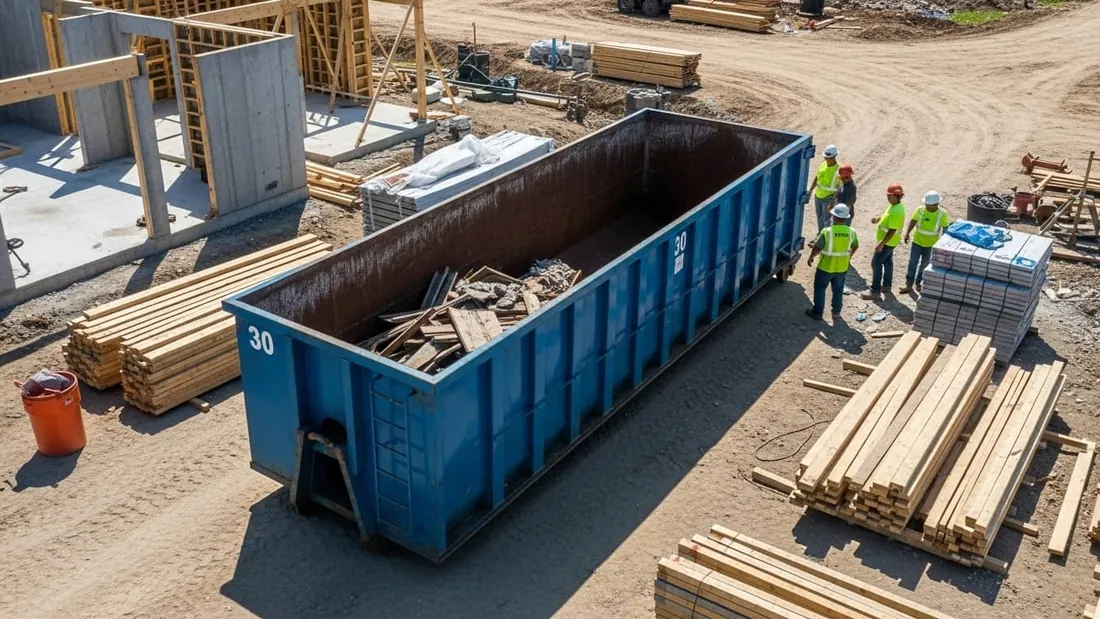
Most people picture a straight line: the container leaves the driveway, and everything in it goes in a hole in the ground. That is not quite how it works in West Michigan, and the difference matters to your bill. A mixed roll-off from a Holland kitchen gut or a Park Township garage cleanout typically goes to a transfer station or a construction-and-demolition processing facility first. There it gets tipped onto a floor, and recoverable material is pulled out — metal, clean wood, cardboard, sometimes concrete and shingles — where the economics support the labour. Whatever is left, and on a truly mixed load that is usually most of it, is consolidated and hauled to a licensed landfill.
The phrase doing the work there is where the economics support the labour. Nobody is picking a single hinge out of drywall dust. Recovery happens when a material shows up in enough volume, clean enough, that separating it beats paying to bury it. A load's composition decides its fate far more than any policy statement on a website. Ten yards of nothing but broken sidewalk gets crushed into aggregate. Ten yards of broken sidewalk with a rotten deck and three tyres on top gets buried.
We have hauled enough loads out of Holland, Zeeland and Grand Haven to know the practical version of this argument, and it is not the environmental one: clean, single-material loads are cheaper. Heavy inert material has its own disposal route and its own pricing. Green waste has another. Contaminate either and you have turned a cheap load into an expensive one in one careless afternoon.
Every material has one or two things that make or break its recovery. Learn those and the sorting decisions become obvious.
Crushed and screened into reusable aggregate — road base, fill, driveway substrate. Routine, high-volume recycling. What kills it is anything that will not crush or that fouls the crusher: rebar beyond incidental amounts, timber, plastic sheeting, insulation, and above all soil. A pile of clean broken patio is a commodity; the same pile with a wheelbarrow of dirt over it is waste. Concrete is also brutally heavy, which is why it belongs in a small can — see our concrete and heavy debris service and keep it in a small can.
The most valuable thing in most containers, and the most commonly thrown away. Steel, aluminium, copper, cast iron, radiators, water heaters, bed frames, ductwork, appliance shells. Metal is recovered at high rates because it is worth money at every step. Separating it is worth the twenty minutes. The one complication is refrigerant — see below.
Untreated dimensional lumber, pallets, offcuts and clean framing can often be ground for mulch, animal bedding or biomass fuel. Painted, stained, pressure-treated, laminated or engineered wood usually cannot, and neither can anything with drywall still screwed to it. Demolition timber with old paint on it is treated as general waste in most cases.
Clean offcuts from a fresh build are occasionally recovered. Wet, mouldy or painted demolition drywall is almost always landfilled. Do not count on drywall recovery; count on volume, because it is bulkier than people expect.
Tear-off shingles can be processed into road paving material where a facility accepts them, but the load has to be shingles and nails, not shingles plus underlayment, plywood, flashing, ridge vent and coffee cups. If you are doing a tear-off, keep the roof load separate from the rest of the job. Our roofing dumpster service exists because that separation is the difference between two prices.
Flattened, dry cardboard is worth pulling out on any commercial fit-out — and with the office-furniture trade around Holland and Zeeland, we see plenty. Wet cardboard is worthless. Everything else — carpet, furniture, insulation, packaging, food-contaminated material — is general waste, which fills most containers we place through our junk removal and construction debris work.
| Material | In the container? | Where it typically goes | What ruins it |
|---|---|---|---|
| Clean concrete, brick, block | Yes — dedicated load only | Crushed for aggregate | Soil, timber, plastic, heavy rebar |
| Scrap metal, appliances | Yes — better separated | Scrap processor, remelted | Refrigerant not removed; buried in mixed debris |
| Clean untreated timber | Yes | Ground for mulch or fuel | Paint, stain, pressure treatment, attached drywall |
| Drywall | Yes | Usually landfill; clean offcuts sometimes recovered | Water, mould, paint, mixed debris |
| Asphalt shingles | Yes — dedicated load best | Road paving material where accepted | Wood, underlayment, metal flashing, trash |
| Cardboard | Yes | Paper mill via recovery line | Rain, food residue, tape-heavy bundles |
| Yard waste, brush, leaves | Yes — clean green load only | Compost or mulch facility | One bag of household rubbish (banned from landfill in MI) |
| Electronics | No | Dedicated e-waste handler | N/A — needs its own route |
| Paint, solvents, fuel, oil, chemicals | No | Household hazardous waste collection | N/A — prohibited in any container |
| Tyres, propane cylinders | No | Tyre processor; cylinder exchange or scrap | N/A — specific handling required |
| Asbestos material | No | Licensed abatement contractor only | N/A — legally prohibited |
This one catches homeowners every spring and autumn. Michigan prohibits yard clippings from landfill disposal, so leaves, grass, brush, branches and garden trimmings have to travel as a clean green load to a composting or mulching operation. The rule is unforgiving about mixing: put one bag of kitchen rubbish, one plastic pot or one length of fence board in with the brush and the whole container is reclassified as general waste, priced as general waste, and buried. If you are clearing a lot in Overisel or a windbreak in West Olive, order a yard waste dumpster and keep it green-only. Genuinely — nothing else in it.
Michigan's container deposit is the highest in the country, and it turns up constantly in cleanouts. Basements and garages in this area hide astonishing quantities of returnable cans and bottles, often by the case, sometimes going back years. At a dime apiece that is real money — a couple of hundred dollars is not unusual on a full estate cleanout. Sort them before the container arrives. Burying deposit containers is the single most expensive mistake in residential junk removal, and it is entirely self-inflicted.
Televisions, monitors, computers, printers and small electronics need a dedicated e-waste route and should not go in a roll-off. They hold recoverable metals and, in older CRT units, materials needing controlled handling. Check with the City of Holland, Ottawa County or Allegan County for current collection options and hours.
Paint, stains, solvents, thinners, petrol and diesel, motor oil, antifreeze, pesticides, herbicides, lawn and garden chemicals, pool chemicals and batteries are all prohibited in any container, ours included. Every one of them has its own collection route, generally through county-run household hazardous waste programmes. Dates and locations change, so confirm current details with your county rather than relying on what a neighbour did three years ago. The Michigan Department of Environment, Great Lakes, and Energy is the authority on how this material is regulated.
Tyres are refused at landfills and need a tyre processor. Propane cylinders — grill tanks, camping bottles — are pressure vessels and cannot go in a container. Fridges, freezers, air conditioners and dehumidifiers contain refrigerant that must be professionally recovered before the shell can be scrapped. Tell us when you book and we will talk you through it.
If the building predates 1980, assume floor tile, mastic, pipe lagging, siding and roofing may contain asbestos until testing says otherwise. It is prohibited in every container we own. Abatement is licensed work with its own disposal chain, and the cost of doing it properly is trivial next to the cost of not.
Two ways it bites. First, a single prohibited item — a paint can, a propane bottle, a car battery — can get a whole load rejected at the gate, meaning a return trip and charges attached to both. Second, and far more common, contamination silently downgrades a load's route. Clean concrete becomes mixed debris. A clean green load becomes general waste. Nothing dramatic happens in the driveway; the cost appears later at a different rate. Our guide to what can go in a dumpster in Michigan covers the prohibited list in full.
On a renovation or full cleanout, three or four staging piles pay for themselves before lunch. Metal — everything ferrous and non-ferrous in one heap, including appliance shells once refrigerant is handled. Deposit containers — a bin by the door, filled as you go. Clean heavy inert — concrete, brick and block, kept off the dirt on a tarp. Hazardous and prohibited — a marked corner of the garage for paint, chemicals, batteries and electronics. Everything else goes in the can. On a multi-phase job it is often cheaper to run two containers in sequence than to mix: swap a heavy debris can for a general one when demolition ends.
Holland sits between Lake Macatawa and Lake Michigan, and containers sit outdoors in the rain. Liquids do not stay put in an open-top roll-off — paint, solvent, fuel and used oil find the drain holes, then the driveway, then the storm drain. That is the practical reason we are firm about liquids, not a slogan.
EAD Dumpster Rentals is locally owned, licensed and insured, based at 460 Cleveland Ave in Holland. Ethan Davis and the team run roll-offs across Ottawa and Allegan counties — Zeeland, Saugatuck, Park Township, Hudsonville, Grand Haven and the rest of the Lakeshore. Tell us what the material actually is and we will put the right can in the right spot, sized from our full range. Call (616) 499-6026 and we will sort it out on the phone.
Talk to a real person
Call and describe the job. Flat price, stated tonnage, and a delivery time on the same call.
Mon–Sat 7:00am – 6:00pm · Sun by appointment
From this guide
No. A mixed container usually goes to a transfer station or construction-and-demolition facility first, where recoverable material like metal, clean wood, cardboard and sometimes concrete or shingles is separated when the volume and cleanliness make it worth doing. The remainder is landfilled. The cleaner and more single-material your load is, the more of it gets recovered and the cheaper it typically is to dispose of.
Michigan bans yard clippings from landfill disposal, so leaves, grass, brush and branches must travel as a clean green load to a composting or mulching facility. Mixing in even one bag of household rubbish, a plastic pot or a piece of fence board reclassifies the entire container as general waste. It then gets priced and landfilled as general waste, which costs you noticeably more.
Paint, solvents, fuels, motor oil, antifreeze, pesticides and lawn or garden chemicals, batteries, tyres, propane cylinders, electronics, and any asbestos-containing material. Refrigerant appliances need the refrigerant professionally recovered before the shell can be scrapped. Each of these has its own route. Check with the City of Holland, Ottawa County or Allegan County for current collection locations and hours before your cleanout starts.
Almost always. Michigan's ten-cent deposit is the highest in the country, and basements and garages around the Lakeshore routinely hide returnable cans and bottles by the case. On a full estate cleanout that can add up to a couple of hundred dollars. Set a bin by the door and fill it as you work, before the container arrives and the sorting stops happening.
Keep it single-material. Clean concrete, brick and block get crushed into reusable aggregate, which carries its own disposal route. Soil, timber, plastic sheeting, insulation and heavy rebar ruin that, turning a cheap inert load into mixed debris. Stage the material on a tarp or pallets so it stays off the dirt, and order a small container because concrete hits weight limits long before it fills volume.
Keep reading
A practical Holland, Michigan guide to picking between 10, 15, 20, 30 and 40 yard roll-offs, covering real dimensions, tonnage limits and when bigger is wrong.
ReadA Holland roll-off operator explains what drives dumpster pricing, which add-on fees to ask about, and why weight, not volume, usually decides your final bill.
ReadA Holland operator's plain guide to what belongs in a Michigan roll-off, what never does, and the grey-area items worth a phone call before you load.
Read